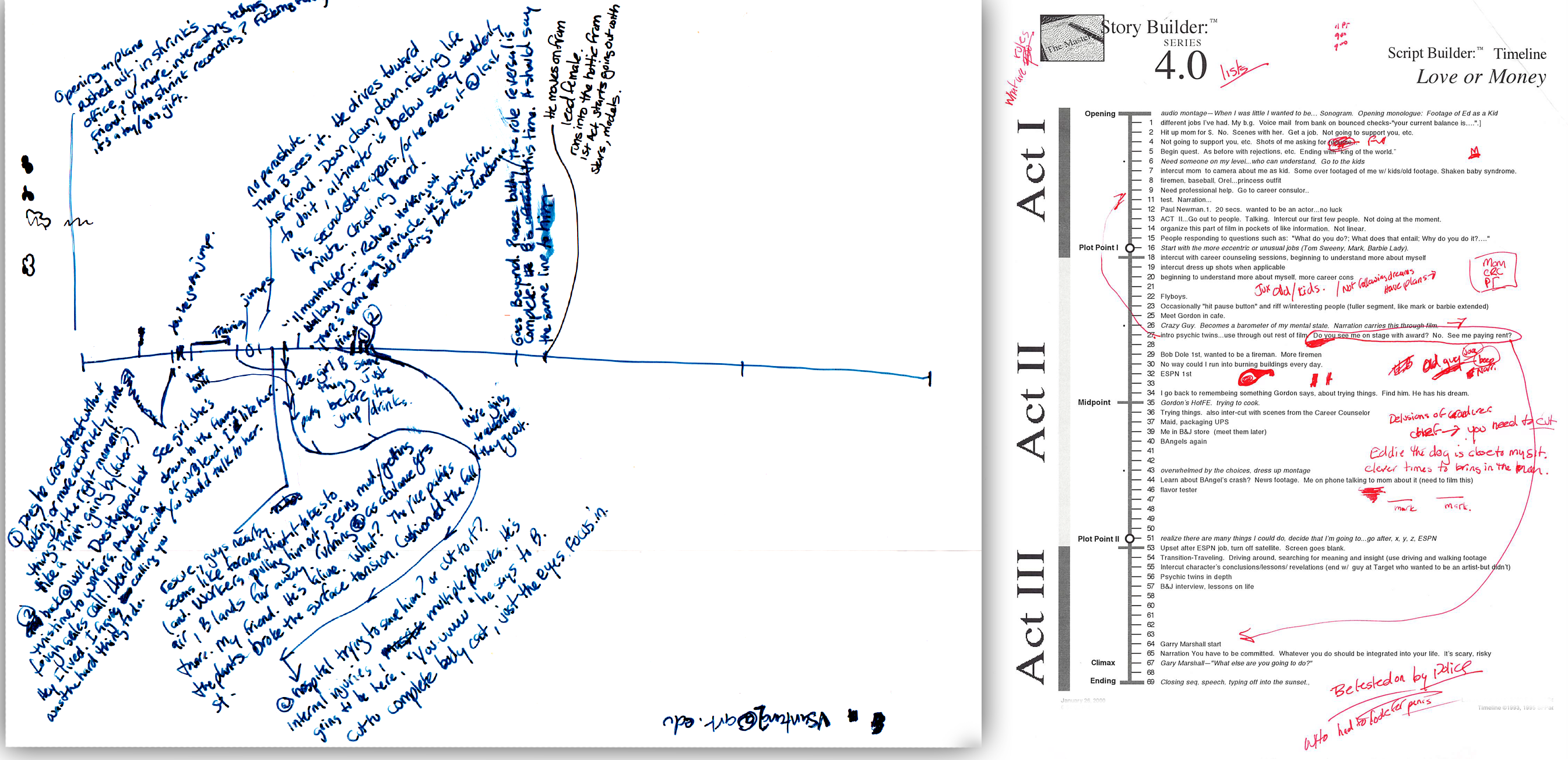
I use timelines. I’ve always used timelines in one form or another. Whether they were scribbled on a sheet of paper, part of a program I wrote for myself (when there wasn’t anything else out there) or now, using tools that have been created specifically for writers (or hacked in a way that they do.)
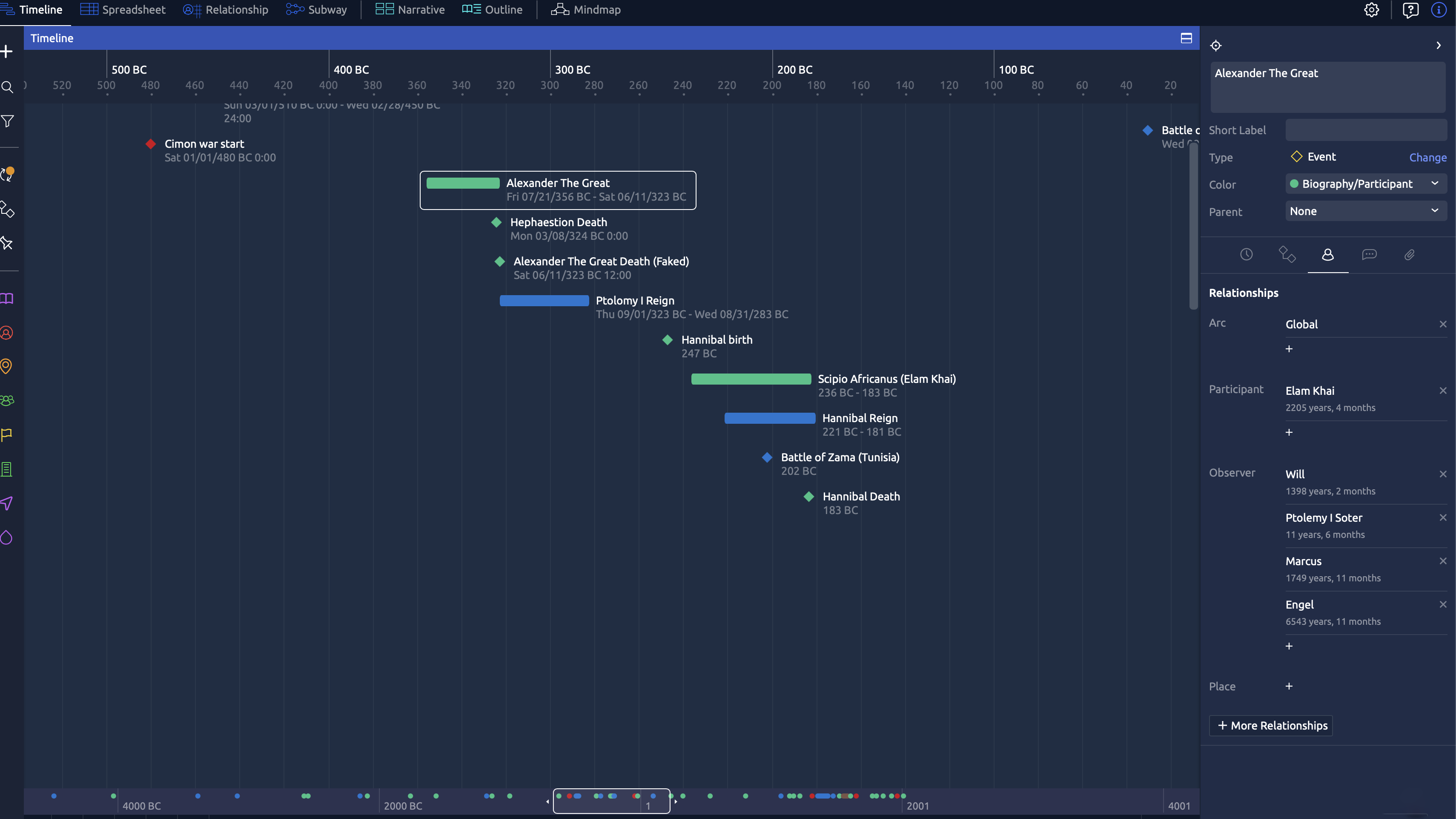
But things really got interesting when I started writing the Battle For Forever series. I’ve got a timeline that goes back to 7,000 BCE, and I've notated famous events throughout our history. And I use the timeline not only to plot the course of the story, but I can use it to look back and see where characters are at any given moment and what their ages are. Whether they were a participant, an observer. Decide if they've been a part of, a cause of, or are related to any of these events.
I don't know how other writers do it—everybody has their own recipe for how they deal with creating intricate stories and compelling narratives.
I have a very weird recipe. And it changes. It needs to change for me. Sometimes I'm making chocolate cake and sometimes I'm making…pizza. And I don’t always know until I’m already making the meal what it’s going to end up being. I just know it’s going to be very different. But it's always good food. That's the point, right?
Something entertaining. Something you want more of.
The recipe is the process of how I’m going to get there. The process is not the book or the movie or the television script or the play. It’s just the means to get it done. And like I said, I have to change things up because—well, otherwise I can lose focus. But there's something that never changes.
First, I look for "what is the story?" and then I ask myself how do I get from here to there? And once the story is in my head and at least partly written down, I start to hang things on the spine. Things I've either notated in the past or I've stumbled across or someone's, shown me, things I’ve I learned and experienced along the way. Things that might be interesting to dovetail into the story. And I use tools like Aeon Timeline to create detailed accounts of what’s happening—when, where, and with whom.
As a screenwriter first, for me, it's about the beginning, the middle, and the end. I know every medium, every story has a beginning and a middle and an ending, but screenwriting is the most regimented—at least in my mind. And that's where the story is. That’s where the story can be uncovered. And the middle is almost always the hardest part. Starting is easy. The ending usually presents itself or is foregone the moment the story is set in motion. But how you get from here to there is where the magic happens. And it’s where everyone who doesn’t finish writing a book or a script usually falters. In the Battle for Forever series, I break all kinds of rules in these books. I don't hit my marks exactly where you're supposed to because in the overarching story of this epic series, some things are going to get dropped in the first book that aren't going to get answered until the very last minute.
So, for me, it's story first. And then I go back and I do the research.
###